




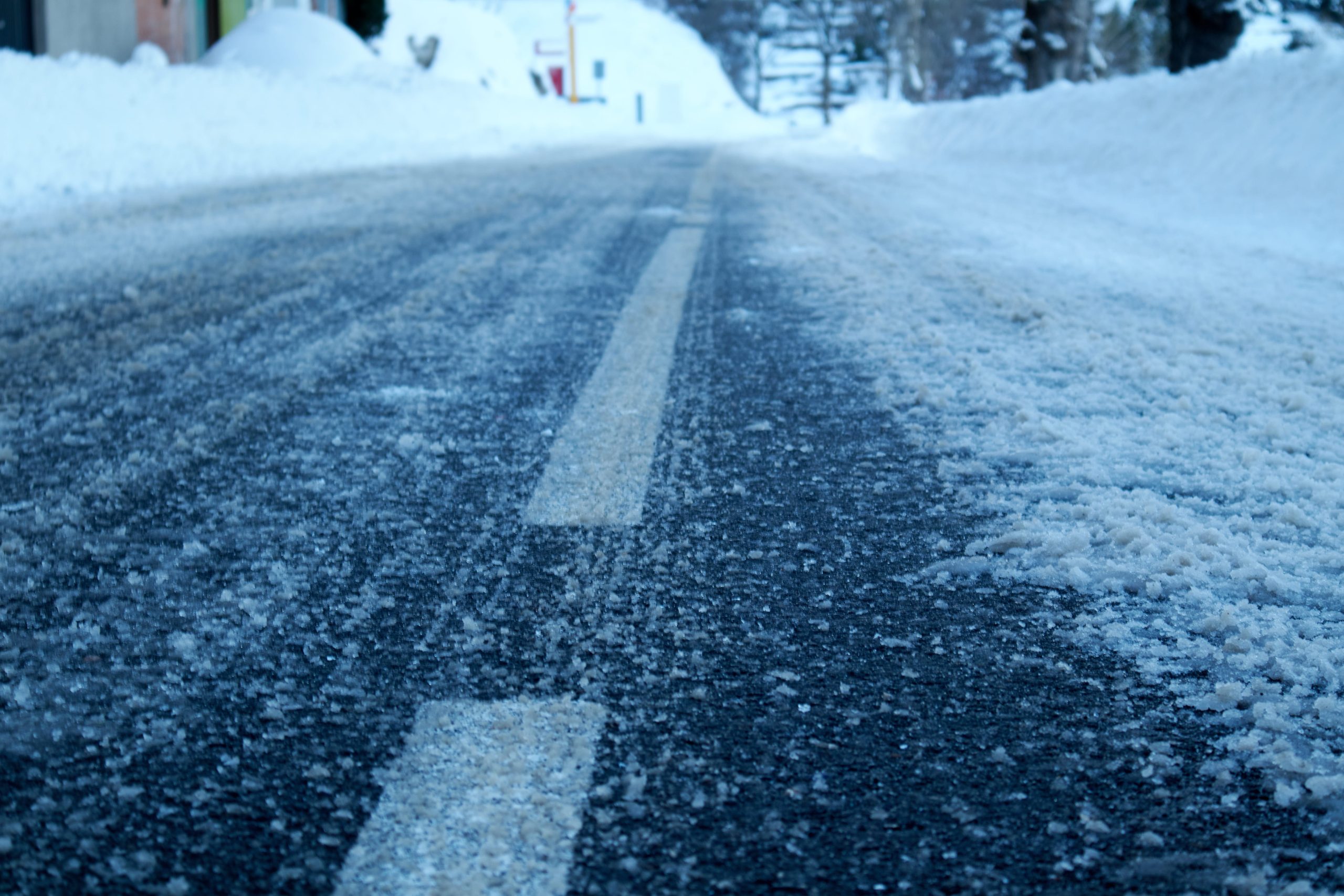
Black ice is a thin, nearly invisible sheet of frozen moisture that can turn an ordinary winter drive into a sudden loss of control. The key to staying safe is knowing where black ice forms, how to spot subtle warning signs, and what to do if your vehicle begins to slide on an icy patch. This guide explains the most reliable ways to recognize black ice, outlines safe driving techniques, and highlights practical habits that help keep you protected through the 2026 winter season.
Amherstburg Chevrolet Buick GMC is here to support drivers with dependable service, expert advice, and a full lineup of vehicles, parts, and maintenance solutions. Our team is committed to helping you stay safe and confident on the road, no matter the weather. Contact us or visit our dealership today, and let us assist you with all your automotive needs.
What Makes Black Ice So Dangerous for Drivers in 2026?
Black ice has always been one of winter’s most deceptive hazards, but in 2026, it remains especially dangerous because of how easily it blends into the pavement. It forms as a thin, transparent layer of frozen moisture that hides in plain sight and removes nearly all the friction your tires normally rely on. Drivers often do not realize they are on black ice until the moment their vehicle begins to slide, and by then,n there is almost no time to react.
A Hazard You Cannot See Coming.
Unlike packed snow or visibly frosted pavement, black ice looks almost identical to bare asphalt. The road can appear slightly wet or glossy, yet behave like a sheet of glass. Even experienced drivers can be caught off guard, especially on dark rural stretches or during early morning commutes when the temperature dips just below freezing.
Picture driving along a familiar road outside LaSalle or heading toward Windsor before sunrise. The asphalt looks damp from overnight moisture, but nothing appears unusual. Then the steering suddenly feels light, as if the tires have lost their grip, and the vehicle begins to drift sideways with no warning. This is exactly why black ice causes so many winter collisions. There is simply no visual cue that tells you trouble is ahead.
Why Modern Drivers Still Struggle With It
Even with safer vehicles and better technology, black ice remains a challenge. Traction control, stability systems, and advanced driver alerts help, but they cannot prevent every slide. They are designed to assist, not replace driver awareness.
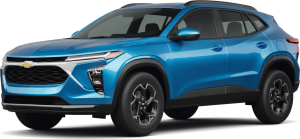
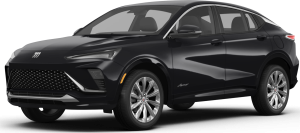
The Envista, for example, uses smart traction and stability features that react quickly when the wheels begin to slip. These systems can help regain control faster, yet they work best when paired with proper winter driving habits. Technology makes winter driving safer, but black ice still demands respect.
Conditions That Accelerate the Risk
Black ice becomes especially dangerous when several factors line up at once. Drivers should be alert when they encounter:
- Overnight or early morning temperatures near freezing
- Bridges and overpasses, which freeze soone,r because cold air surrounds them
- Shaded roadways, especially those lined with trees
- Low-lying or wind-sheltered areas where cold air settles
- Roads near rivers or open water
When these conditions combine, black ice can appear suddenly and in patches, making it unpredictable and difficult to avoid.
Why Quick Reactions Can Make Things Worse
On a dry road, quick reactions help you avoid danger. On black ice, they often cause a skid to intensify. Hard braking or sharp steering removes what little traction remains, which is why safe winter driving requires calm and gentle inputs.
Many drivers instinctively slam on the brakes when they feel the vehicle slip. That instinct is dangerous. The safest response is to ease off the accelerator, keep the steering wheel straight, and allow the tires to find grip again.
Where Is Black Ice Most Likely to Form During Winter Driving?
Black ice rarely covers an entire roadway. Instead, it appears in small, sneaky patches that develop in places most drivers don’t expect. Knowing where these icy spots form is one of the most effective ways to stay safe, especially if you are trying to figure out how to spot black ice on roads before it becomes a problem.
Cold Spots That Freeze Faster Than the Rest
Some areas of a roadway freeze well before the surrounding pavement. These locations are often the first to develop black ice and the last to thaw.
Common high-risk zones include:
- Bridges and overpasses, which cool quickly because air flows above and below them
- Shaded stretches, such as tree-lined rural roads or underpasses
- Low-lying dips, where moisture settles and freezes
- Roads near lakes or rivers, where added humidity can create thin ice
- Unplowed or untreated secondary roads, which hold cold longer and develop icy patches overnight
Even if the rest of the route feels safe, these areas can create sudden changes in traction. A road can appear dark and wet, yet behave like polished glass.
Microclimates That Drivers Overlook
Winter roads do not freeze uniformly. A sunny open stretch might be clear, while a nearby cluster of evergreens can shade the pavement enough to create hidden ice. Drivers often overlook these microclimates because they seem too small to matter, but these subtle shifts in temperature are exactly where black ice thrives.
If you have ever driven from Amherstburg toward Essex early in the morning, you may have experienced this. One moment, the road is bare. Then you enter a tree-covered curve, the light drops, and the pavement takes on a suspicious glossy shine. Those small exposures to shade or moisture can create the perfect conditions for black ice.
Why Visibility Can Be Misleading
Learning how to spot black ice on roads often means paying attention to what you cannot see. Clear ice blends with asphalt, so direct visual detection is rare. Instead, watch for clues around you.
Key indicators include:
- A section of road that looks darker and glossier than the pavement around it
- Reduced tire spray from vehicles ahead, even when the pavement looks wet
- A sudden quietness in road noise, which signals a loss of friction
Many modern vehicles can help by providing real-time exterior temperature readings and traction alerts. The Envista, for example, offers clear digital displays and stability monitoring that can give drivers subtle warnings when the roads are cold enough for ice to form.
How Can You Spot the Hidden Signs of Black Ice Before You Hit It?
Although black ice is nearly invisible, the pavement around it often gives hints. Watch closely for: Shinny patches that look wet but have a glassy she.en
- Darker sections of asphalt when the rest of the road appears dry
- Uneven reflections, especially under streetlights or headlights
These clues become most noticeable when transitioning between shaded and sunlit areas or when temperatures hover just above freezing.
Imagine driving toward LaSalle early in the morning. The road appears slightly damp, and a small section ahead reflects your headlights more sharply than the rest. That subtle shine is often the first indicator that ice may be present.
Behavior Changes in Your Vehicle
Your vehicle itself is one of the best detectors. It senses traction changes before you fully realize what is happening.
- Sudden quiet tire noise, as the usual hum disappears when the friction drops
- Light or floating steering, which signals that the tires have lost grip
- Minor sideways drift, even with steady steering input
Modern vehicles can help drivers notice these shifts sooner. For example, the Envista provides traction alerts and a clear exterior temperature display that can warn you when conditions are icy enough for hidden patches to form. These subtle cues work together to help drivers react calmly and stay in control.
Environmental Signs That Ice Is Close
Stay alert when:
- Temperatures are at or below 3°C
- There has been melting and refreezing overnight
- You see frost forming on guardrails or grassy areas
- Humidity is high along river routes or low-lying roads
When these elements appear together, icy patches are almost guaranteed. For added confidence during winter driving, having the right vehicle setup and safety features can make a lasting difference. Amherstburg Chevrolet Buick GMC is here to help you prepare for the season, whether you need winter maintenance, expert advice, or a vehicle equipped for changing weather conditions. Contact our team or visit us today to stay safe on the road all winter long.
What Should You Do Immediately If You Suspect Black Ice on the Road?
Black ice gives almost no warning, so your first few seconds of reaction matter most. When the pavement suddenly looks suspiciously glossy, or your steering begins to feel light, the safest choice is to assume the road is icy and adjust calmly. Treat those moments as if you are following a winter road hazards guide, where every decision is measured and steady rather than rushed.
Stay Calm and Let the Vehicle Settle
The instinct to brake hard or jerk the wheel is strong, but resisting that impulse is crucial. A gentle, collected response keeps the tires from losing any more grip.
Take these steps right away:
- Lift your foot off the accelerator and let the vehicle slow naturally.
- Keep the steering wheel straight, avoiding sudden movements.
- Turn off cruise control if it is engaged, so your vehicle does not accelerate unexpectedly.
Imagine heading toward Windsor on a frosty morning. You notice the road ahead looks darker and shinier than usual. Instead of reacting abruptly, you ease off the gas and allow the vehicle to glide forward with minimal input. This is the safest approach, because it gives the tires their best chance to regain traction.
Steer With Intention, Not Fear
If your vehicle begins to slide, gentle guidance is more effective than aggressive correction. The goal is not to fight the skid but to guide the vehicle back to the direction you want to travel.
Use these techniques:
- Steer toward the direction of travel, not away from it.
- Avoid stomping on the brakes, which will lock the wheels in non-ABS systems.
- Use firm, steady pressure on the brakes only if your vehicle has ABS.
This controlled approach gives your tires the chance to reconnect with the road surface, often within a second or two. The Envista, for example, uses stability and traction systems that detect slipping before most drivers feel it. If you notice the traction light flickering or the vehicle limiting power, take that as confirmation that the road is slick and proceed with caution.
Create Extra Space Around You
Whenever you suspect black ice, distance becomes your best safety tool. Even if conditions feel manageable, icy roads can multiply stopping distances.
Give yourself a buffer by:
- Leaving at least 8 to 10 seconds of distance between you and the vehicle ahead
- Avoiding close travel next to large trucks or fast-moving traffic
- Slowing down before entering bridges, curves, or shaded areas
These habits allow you to react without panic if the surface suddenly becomes slippery.
Prepared Drivers Recover More Easily
Responding to suspected black ice is all about reducing speed, staying composed, and letting the vehicle regain grip naturally. These steps give you control during moments when the road tries to take it away. And when paired with the right winter maintenance and vehicle features, your chances of navigating icy conditions safely increase dramatically.
If you want help preparing your vehicle for winter or need advice from experts who understand local driving challenges, Amherstburg Chevrolet Buick GMC is ready to assist. Visit us or reach out today, and let our team help keep you safe through every cold-weather commute.
How Do You Safely Drive Through a Patch of Black Ice?
Once you realize you are on black ice, focus on keeping the vehicle calm. Icy patches are often small, so the steadier you remain, the sooner the tires reconnect with the asphalt.
Follow these steps:
- Ease off the accelerator instead of slamming on the brakes.
- Keep the wheel as straight as possible, letting the vehicle glide.
- Avoid shifting lanes or turning sharply, since any sudden motion can trigger a spin.
Think of it like gliding over a slippery floor. The more abruptly you move, the more unstable you become. Smooth inputs help you stay balanced until the road improves.
Respond Correctly If the Vehicle Begins to Slide
If the rear of the vehicle starts to swing, the right steering input will help you regain control. Steering into the direction of the slide feels counterintuitive at first, but it aligns the wheels with your direction of travel.
Here is how to manage it safely:
- If the back end slides right, gently turn the wheel right.
- If it slides left, steer left until the vehicle straightens.
- Avoid pumping the brakes unless you do not have ABS, and in that case, pump lightly.
- With ABS-equipped vehicles, apply slow, steady brake pressure only if stopping is necessary.
These corrections work because they allow the tires to reestablish traction without fighting against your steering.
Why Does Winter Preparation Reduce Black Ice Risk?
The Role of Tires and Traction
Your tires are the only part of your vehicle in contact with the road, so their condition directly affects your ability to navigate icy surfaces.
Key preparation steps include:
- Install winter or all-season tires with proper tread depth
- Check tire pressure regularly, since cold temperatures can lower it unexpectedly
- Rotate tires as recommended to ensure even wear and optimal grip
Even a vehicle equipped with traction systems, like the Envista, benefits from well-maintained tires. Proper tire preparation improves stability, shortens stopping distances, and makes steering on black ice more predictable.
Visibility and Control Systems Matter
Winter conditions often reduce visibility, and the right vehicle setup helps you respond to black ice hazards before they escalate. Ensuring all lights are functioning, your windshield and mirrors are clear, and your wipers are in good condition allows you to detect glossy patches early.
Modern vehicles like the Envista add another layer of safety through stability monitoring and traction alerts, which provide subtle warnings when the road is slick. These systems give drivers extra confidence, particularly in shaded or low-lying areas where black ice forms first.
Planning and Awareness Reduce Risk
Preparation isn’t just about the vehicle itself. It includes how you plan your route and approach winter conditions:
- Check weather forecasts before heading out, paying attention to overnight freezes
- Identify potentially icy areas such as bridges, shaded roads, and low spots
- Allow extra travel time to avoid rushing in tricky conditions
By combining situational awareness with vehicle readiness, you reduce the likelihood of encountering a dangerous ice patch unexpectedly.
How Can You Plan Safer Winter Routes to Avoid Black Ice Conditions?
Even the most cautious driver can be caught off guard if the route itself is prone to icy patches. Planning is one of the simplest ways to reduce risk, giving you more time to react and more confidence when conditions are unpredictable. Combining route awareness with vehicle tools makes navigating winter roads safer for everyone.
Choose Main Roads Whenever Possible
Secondary roads and shortcuts are often less maintained and more likely to have black ice, especially in shaded areas or near low-lying water. Main roads tend to be:
- Plowed more frequently
- Treated with salt or sand
- Better lit and more visible during early mornings or evenings
For example, when traveling from Amherstburg to Essex, sticking to major streets rather than smaller side roads can reduce the likelihood of encountering hidden icy patches.
Time Your Drive to Avoid Risky Conditions
Early mornings and late nights are when temperatures drop lowest and black ice is most likely to form. If possible:
- Schedule trips during daylight when the sun can slightly warm the pavement
- Avoid driving immediately after an overnight freeze
- Allow extra travel time to reduce the need for sudden maneuvers
Even a few extra minutes on the road can make a difference in staying safe.
Use Technology to Anticipate Hazards
Modern vehicles can assist drivers in detecting potential ice hazards. Features like temperature readouts, traction alerts, and stability monitoring provide subtle warnings when conditions are right for black ice. The Envista, for instance, helps drivers understand when the road might be slick before it is visible, giving extra time to adjust speed and steering.
Watch Environmental Clues Along the Way
Even the best route planning requires on-the-spot awareness. Keep an eye out for:
- Shiny, glassy sections of pavement
- Areas that remain shaded while the surrounding roads are dry
- Moisture near bridges, underpasses, and tree-covered curves
Recognizing these cues allows you to react quickly and adjust your driving style for maximum safety.
Preparation Enhances Confidence
Planning safer routes, combined with alert driving and a well-equipped vehicle, reduces stress and enhances control when the unexpected happens. By anticipating potentially icy areas, you give yourself a buffer that can prevent a small slip from turning into a serious incident.
Amherstburg Chevrolet Buick GMC is here to help you prepare for winter driving with guidance, vehicle maintenance, and models built for seasonal challenges. Contact our team or visit our dealership today to ensure you’re ready for every winter commute.
Which Winter Safety Features Matter Most When Shopping for a Vehicle?
Choosing the right vehicle can make navigating winter roads significantly safer, especially when dealing with slippery conditions and hidden ice patches. Certain features are designed to help drivers maintain control, react quickly, and feel more confident when driving through black ice safely. Understanding what to prioritize can make a noticeable difference during harsh winter commutes.
Traction and Stability Control Systems
Traction control and electronic stability systems are essential for managing slippery surfaces. They work by:
- Reducing engine power or braking specific wheels when slip is detected
- Helping maintain directional control on curves and inclines
- Preventing small slides from turning into complete skids
Vehicles like the Envista offer advanced versions of these systems, which provide subtle alerts and assist the driver without taking away control, making winter roads much more manageable.
Anti-Lock Braking Systems (ABS)
ABS prevents the wheels from locking during hard braking, which is especially important on ice. This system:
- Allows the driver to maintain steering control while slowing down
- Reduces the risk of sliding into other vehicles or obstacles
- Works best when combined with calm, controlled braking techniques
Even with ABS, smooth and steady inputs remain crucial when reacting to black ice patches.
Visibility and Comfort Features
Good visibility and driver comfort enhance safety during winter driving. Features to consider include:
- Heated side mirrors to reduce ice and fog
- Effective windshield wipers and defrosters
- Bright, adaptive headlights for low-light conditions
These systems help drivers see subtle surface changes that might indicate ice and react before control is compromised.
All-Wheel Drive and Winter-Ready Tires
While driver skill is the most important factor, vehicle capabilities matter. All-wheel drive provides extra traction in slippery conditions, and pairing it with properly maintained winter tires improves grip on ice and snow. The combination allows drivers to approach corners and inclines more confidently while maintaining safe speeds.
Driver Assistance Technologies
Modern vehicles like the Envista include additional support features such as traction alerts, real-time temperature readouts, and stability monitoring. These tools serve as an extra set of eyes on the road, helping you make better decisions when approaching shaded areas, bridges, or low-lying spots where ice forms first.
What exactly is black ice, and why is it so dangerous?
Black ice is a thin, nearly invisible layer of ice that forms on road surfaces. It is dangerous because it blends in with the pavement, removing almost all tire traction and causing sudden, unpredictable slides.
How can drivers recognize black ice before losing traction?
Drivers can spot black ice by looking for glossy patches on the road, darker asphalt compared to surrounding areas, lack of tire spray from vehicles ahead, and subtle changes in steering feel or tire noise. Cold temperatures (around 37°F/3°C or below) and shaded areas can also indicate a higher risk.
What should you do if your vehicle starts sliding on black ice?
Ease off the accelerator, keep the steering wheel as straight as possible, steer gently in the direction you want the vehicle to go, and brake carefully if needed. Vehicles with ABS should use steady pressure on the brake pedal, while non-ABS vehicles should pump the brakes lightly.
Which driving habits increase the risk of black ice accidents?
Sudden braking, sharp steering corrections, using cruise control in icy conditions, speeding, and following too closely all increase the risk of losing control on black ice.
How can tires and vehicle safety systems help when encountering black ice?
Winter or properly maintained tires improve traction, while systems like traction control, stability monitoring, and alerts in vehicles such as the Envista help drivers regain control more quickly and provide early warnings of slippery conditions.
Having a clear understanding of these points and maintaining awareness on the road can significantly reduce the chances of a black ice-related accident.
Stay Safe on Winter Roads and Drive Confidently with Amherstburg GM
Winter driving can be unpredictable, but being prepared and knowing how to handle slippery conditions makes all the difference. From shaded curves to early morning commutes, having a reliable vehicle equipped for icy roads gives you confidence every time you get behind the wheel. Learning how to identify hidden hazards and react calmly ensures that you and your passengers stay safe.
If you live in LaSalle, Windsor, or Essex, Amherstburg Chevrolet Buick GMC is here to help you stay winter-ready. Our dealership offers a wide selection of vehicles, including the Envista, equipped with advanced safety features designed for cold-weather driving. Whether you need guidance on vehicle options, winter maintenance, or tips for safe driving, our team is ready to assist.
Get Directions to Amherstburg Chevrolet Buick GMC
Disclaimer: All information is provided for general informational and entertainment purposes only. While we strive for accuracy, we cannot guarantee that all content is complete, current, or error-free. Any reliance you place on such information is strictly at your own risk. This article may include opinions and is not endorsed by, or officially affiliated with, any vehicle manufacturer or brand. Always consult official sources – such as the vehicle’s owner’s manual, authorized dealerships, or certified professionals – for the most up-to-date and personalized information.