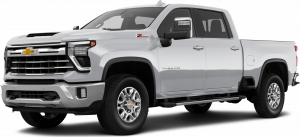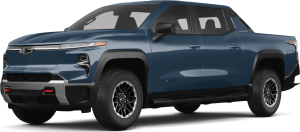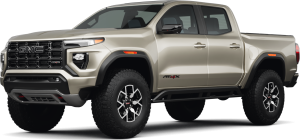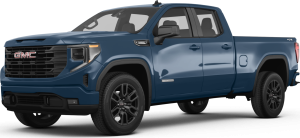





Switching to and from winter tires in 2026 comes down to one simple guideline: make the change when temperatures consistently move above or below 7°C (45°F). Cold weather hardens all season rubber and warm pavement quickly wears down winter compounds, so timing each swap protects traction, braking performance, and tire lifespan. Plan your transition into winter tires in late fall and switch back to all season tires once spring temperatures stay above that 7°C mark for several days in a row.
Amherstburg Chevrolet Buick GMC is here to support drivers throughout Amherstburg, LaSalle, Windsor, and Essex with trusted tire advice, expert service, and a full lineup of parts and accessories. Our team is committed to keeping your vehicle performing at its best whether you need seasonal tire changes, maintenance, or help choosing your next truck or SUV. Contact us today or visit us and let us take care of all your automotive needs.
What Is the Ideal Temperature Threshold for Switching Your Tires in 2026?
The most reliable way to know when it is time to change your tires in 2026 is to follow the 7°C rule. Tire specialists consistently point to this temperature as the point where rubber compounds begin to behave differently. Winter tires gain grip as temperatures fall below 7°C, while all-season tires start to harden and lose the flexibility needed for safe traction.
Why Temperature Matters More Than Snowfall
Many drivers wait for the first big snowfall before making the switch, but temperature plays a far bigger role in safety and performance. Even on clear pavement, all season tires stiffen as the morning air dips toward freezing. That hardened rubber reduces braking power, steering response, and overall stability. If you start your day early, as many commuters in the Amherstburg region do, the cooler morning temperature should be your guide rather than the warmer afternoon high. Imagine a driver heading out before sunrise in a Sierra 1500. The pavement may look dry, yet a temperature of 4°C is already enough to make all season tires feel sluggish and less secure. Winter tires, designed with softer rubber and deeper grooves, remain flexible and confident in these conditions.
The 7°C Rule at a Glance
To simplify the seasonal timing, keep these points in mind:
- Switch to winter tires when daily temperatures consistently fall below 7°C.
- Switch from winter tires when temperatures stay above 7°C for several consecutive days.
- Prioritize the morning low if your schedule puts you on the road early.
- Use historical weather patterns for Amherstburg, LaSalle, Windsor, and Essex to anticipate the shift.
This guideline offers a dependable answer to the question many drivers raise every year, including when to switch from winter tires in 2026.
A Quick Comparison to Visualize the Difference
Think of tire rubber like a hockey puck. Leave it in the freezer, and it becomes hard and slippery. Leave it in a warm room, and it softens and grips better. Tires respond the same way. The colder the air, the harder the rubber in all-season tires becomes. Winter tires do the opposite, maintaining flexibility in the cold so they can dig into the pavement and maintain traction.
Why Following the Temperature Threshold Saves Money
Proper timing extends the life of both tire sets. Winter tires wear down quickly in warm weather, especially once spring temperatures rise above 15°C. All-season tires, on the other hand, face unnecessary risk in colder months. Switching at the right time protects your investment and keeps your vehicle handling as it should.
Why Should You Switch to Winter Tires When Temperatures Drop?
Winter driving is not just about dealing with snow. It is about maintaining control when the temperature itself becomes the challenge. As the air cools, the rubber in all-season tires stiffens, which reduces grip even when the pavement is completely dry. This is why the best time to change winter tires is not tied to the first snowfall but to the consistent arrival of colder days.
How Cold Weather Affects Your Traction
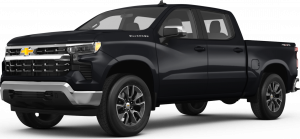
Once temperatures sink below 7°C, all-season tires begin to lose flexibility. Steering feels heavier, braking distances increase, and overall stability declines. Winter tires, however, are engineered with softer compounds that stay pliable in the cold. Their grooves and sipes are designed to bite into cold pavement, frost, slush, and snow, creating a stronger connection between your vehicle and the road. Drivers notice this difference most during early morning commutes in LaSalle, Windsor, and Essex. That thin layer of frost on your windshield is the same warning sign your tires are feeling. A truck like a Silverado 1500 loaded with gear or towing a trailer benefits even more from winter-ready rubber because weight and cold weather combine to amplify the need for traction.
Benefits You Can Feel in Real-World Driving
Switching to winter tires at the right time improves safety in several noticeable ways:
- Better braking performance on cold pavement
- More confident cornering when roads are slick
- Easier acceleration from a stop, especially on frost-covered surfaces
- Stronger stability when towing or carrying heavy loads
Even without snow, winter tires deliver a level of control that simply is not possible on hardening all-season rubber.
A Local Example That Makes the Case Clear
Picture a driver leaving Amherstburg early on a late November morning. The forecast claims the day will warm up to 10°C, but at 6 a.m., the temperature hovers around freezing. With all-season tires, the first turn or stop sign feels slightly less sure. With winter tires, the grip is immediate and predictable. That difference matters, especially when traffic, dark roads, and changing weather all overlap.
Make the Switch Before the Cold Sets In
If the temperature trends are dropping and you are wondering whether it is the best time to change winter tires, the team at Amherstburg Chevrolet Buick GMC can help you prepare before conditions shift. Our certified technicians can assess your current tires, recommend the right winter set, and ensure your vehicle is ready for the months ahead. Contact us to book your seasonal tire change and stay ahead of the weather.
When Is the Best Time to Install Winter Tires in 2026?
Timing your winter tire installation is one of the simplest ways to improve safety during colder months. While every year brings its own weather patterns, most drivers in southern Ontario can expect the ideal window to fall between late October and mid-November. This is the period when temperatures begin to consistently dip near or below 7°C, which is the point where winter tires start to outperform all-season options.
Looking Beyond the Calendar
Instead of relying only on the date, pay close attention to the temperature trends in your area. A warm week in late October does not mean winter has been delayed. Morning lows often tell the real story. If the thermometer hovers around freezing as you head out for work, it is a clear sign your winter tires should already be on. Drivers of heavy-duty trucks, such as a Sierra 2500, feel these early weather shifts even more, especially when hauling equipment across the Amherstburg and Essex region.
Key Indicators That It Is Time to Install Winter Tires
Use the following signals to guide your timing:
- Repeated mornings below 7°C
- Frost showing up on windshields or shaded road sections
- Earlier sunsets and colder evening commutes
- Increased traction loss or slight slipping at stop signs or intersections
These small changes often appear before any snowfall, and they are some of the most reliable cues that winter tire season has begun.
How a Seasonal Guide Helps You Stay Prepared
Many drivers use a winter-to-all-season tires guide to help them track the transition each year. This kind of simple checklist can make the process more consistent and prevent you from waiting too long to switch. Winter conditions in places like LaSalle and Windsor can settle in quickly, and being proactive ensures that your tires are ready before the roads change. Some drivers choose to install their winter tires as soon as they notice temperature trends heading downward. Others prefer to schedule their swap when fall maintenance begins, combining brake checks, coolant inspections, and tire changes all at once. Either approach works well as long as the installation occurs before the temperatures reliably fall below that critical 7°C mark.
When Should You Switch From Winter Tires Back to All-Season Tires?
Switching out of winter tires requires just as much attention as installing them in the fall. As temperatures rise, winter rubber begins to soften, which reduces handling precision and causes unnecessary wear. The most reliable indicator that it is time for the swap is a stretch of consistently warm days. When daily temperatures stay above 7°C for several days in a row, your all-season tires will once again deliver better performance and longevity.
Understanding Warm Weather Effects on Winter Tires
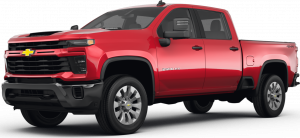
Winter tires are built to stay flexible in the cold. Once the pavement begins warming up in the spring, that same softness becomes a disadvantage. Braking distances lengthen, cornering feels less crisp, and fuel efficiency often drops. A truck like a Silverado 2500, especially if it is towing or carrying heavier loads, will experience these changes even more noticeably as the rubber reacts to warmer pavement. Drivers across Amherstburg, Windsor, LaSalle, and Essex often spot the change when spring mornings feel mild and afternoon temperatures rise into the double digits. If the frost is gone and the roads stay warm overnight, your winter tires are no longer in their ideal environment.
Signs That It Is Time to Make the Switch
You can simplify your tire seasonal change timing by watching for these cues:
- Seven consecutive days above 7°C
- Pavement staying warm even during early morning commutes
- Reduced steering precision or a “soft” feeling in cornering
- Noticeable increase in tread wear on winter tires
- Consistent signs of spring weather, such as rain rather than freezing drizzle
These indicators help ensure you protect both sets of tires while keeping your vehicle’s handling sharp.
Spring Timing Across Southern Ontario
Most drivers in the region make the transition between late March and mid-April, although each year can shift slightly depending on weather patterns. Spring arrives sooner in Windsor and LaSalle than it might in more northern areas, so local drivers often find that their window for switching to all-season tires opens earlier than they expect. Keeping a close eye on long-range forecasts can make the timing easier. If you use your truck or SUV for towing, hauling, or regular commuting, proper spring timing is especially important. The weight distribution of a work-ready truck can accelerate winter tire wear as temperatures climb.
Prepare Your Vehicle for Spring Roads
If you are beginning to notice warmer weather conditions and are unsure about the right moment to transition back to all-season tires, the service team at Amherstburg Chevrolet Buick GMC is ready to help. We can assess your tire condition, recommend the ideal timing for your driving habits, and install your all-season set so you are prepared for spring. Contact us today to book your seasonal tire change and keep your vehicle performing at its best.
How Do Regional and International Regulations Affect Winter Tire Timing in 2026?
While temperature remains the most reliable indicator for when to change your tires, regulations in certain regions can influence the timing as well. Different provinces and countries set specific dates for when winter tires must be installed or removed, which means drivers who travel across borders need to stay informed. These rules are designed to keep roads safer during long stretches of cold weather, and they often align closely with established tire temperature guidelines used by experts.
Understanding Where Regulations Apply
Drivers in southern Ontario are not required by law to install winter tires, but neighboring regions and international destinations may have firm timelines in place. Knowing these requirements is important if you use your vehicle for work, travel, or hauling. Some of the most common examples include:
- British Columbia requires winter tires on designated highways from October 1 to April 30.
- Quebec has a mandatory winter tire period from December 1 to March 15.
- Several European mountain regions enforce winter tire rules from early November through late March.
- Nordic countries follow strict seasonal regulations due to extended winter conditions.
If you drive long distances or regularly cross provincial lines, compliance becomes part of your seasonal planning.
How Regulations Connect to Real-World Temperature Patterns
Most of these legal windows are based on predictable cold weather cycles rather than snowfall. The dates coincide with the months when temperatures frequently fall below 7°C, which mirrors the same tire temperature guidelines used by technicians and safety organizations. Even if you are not legally required to make the switch, these timelines provide a helpful benchmark for personal planning. Drivers operating heavy-duty trucks, such as a Sierra 3500, often rely on these predictable windows to schedule fleet maintenance or coordinate seasonal work. When a truck is hauling tools, equipment, or trailers through varying climates, meeting the legal requirements matters as much as ensuring traction and stability in cold weather.
Why Travelling Drivers Need to Plan Ahead
If your work or travels take you from Amherstburg or Windsor into regions with winter tire mandates, planning can prevent expensive fines and avoid last-minute tire changes. For example, a weekend trip to Quebec or a commercial delivery route through British Columbia requires winter tires even if the weather looks mild in southern Ontario. Key points to remember include:
- Always check the local regulations for your destination.
- Confirm that your winter tires have the Three Peak Mountain Snowflake symbol if the region requires it.
- Consider temperature changes across routes that include rural or higher elevation roads.
- Plan early so your installation appointment does not fall during the busy season.
What Key Maintenance Steps Should You Take During Each Tire Swap?
Seasonal tire changes offer the perfect opportunity to check more than just tread depth. Each swap, whether you are preparing for winter or switching back to all-season tires in spring, gives you a chance to reset your vehicle for the months ahead. Many drivers focus only on timing, such as knowing when to switch from winter tires 2026, but proper maintenance during the swap is just as important for long-term performance.
Inspecting Tread Depth and Tire Condition
Before installing either set of tires, take a close look at the tread. Winter tires require deeper grooves to maintain traction on cold pavement, frost, and snow, and worn tread significantly reduces their effectiveness. Key things to check include:
- Minimum tread depth of at least 6/32 inches for winter tires
- Uneven wear patterns that may signal alignment or suspension issues
- Cracks or bulges in the sidewall caused by age or temperature changes
- Embedded stones or debris lodged in the tread blocks
A vehicle that carries heavier loads, such as a Silverado 3500, can wear tires more aggressively. Inspecting the tread during each swap helps avoid unexpected issues once winter or spring weather sets in.
Balancing and Rotating Your Tires
Balancing and rotation should always be part of the seasonal swap. Tires wear differently depending on driving habits, road surfaces, and weight distribution. Rotating them ensures a more even wear pattern and extends the life of each set. A typical rotation schedule includes:
- Rotating every 8,000 to 12,000 kilometeres
- Addressing front-to-rear wear differences
- Inspecting wheel weights to ensure proper balance
- Checking for vibrations or pulling during a test drive
This step becomes particularly important for trucks that tow or haul, since additional stress on the rear tires can accelerate wear.
Confirming Proper Inflation and Valve Condition
Temperature changes have a direct effect on tire pressure. Colder air lowers pressure, and warm air increases it. That swing makes spring and fall the two most critical times of year to check inflation levels. Proper tire pressure supports fuel efficiency, handling, and tread life.
- During each seasonal change, be sure to:
- Inflate tires to manufacturer's recommended PSI
- Inspect valve stems for cracks or leaks
- Check the condition of valve caps to protect against moisture and dirt
Monitor pressure during the first week after installation
Small adjustments can make a significant difference in performance, especially during early-season temperature fluctuations.
Checking for Required Markings and Fitment
Winter tires must carry the Three Peak Mountain Snowflake symbol to be fully recognized as cold-weather tires. This marking confirms the tire meets safety standards for winter traction. The seasonal swap is the right moment to confirm that your set meets requirements, especially if you travel to regions with winter tire regulations. Other fitment steps include:
- Confirming lug nut torque
- Ensuring wheels are properly seated
- Checking brake components visible during wheel removal
- Verifying the age of tires to avoid using outdated rubber
How Does Choosing the Right Tires Help Your GMC or Chevrolet Truck Perform Year-Round?
The tires you choose play a direct role in how your truck handles every season of the year. From winter traction to springtime stability and summer towing, the right set keeps your vehicle predictable and responsive in all conditions. Even something as simple as recognizing the best time to change winter tires can help you get the most from your truck’s capability. When your tires match the temperature, terrain, and task at hand, you enjoy better control, smoother performance, and longer tire life.
Why Tire Choice Matters for Trucks
GMC and Chevrolet trucks are built for real work and real roads, which means the tires need to support everything from weekend towing to daily commuting. A Sierra 1500 used for both family driving and hauling equipment feels dramatically different depending on the tires it wears. Winter tires give the vehicle the flexibility it needs in cold weather, while all-season or all-terrain options restore crisp steering and firm road feel during warmer months. Seasonally appropriate tires can improve:
- Traction on cold or icy pavement
- Steering precision during towing and hauling
- Braking distances in all weather conditions
- Fuel efficiency through reduced rolling resistance
- Ride comfort over long drives or rough routes
The difference is not subtle. Drivers often notice improved confidence the moment the correct tire set is installed.
Matching Your Tires to Driving Needs
Not every truck is used the same way. Some drivers spend most of their time commuting between Amherstburg, Windsor, and LaSalle, while others rely on their trucks to haul trailers across Essex County roads. Choosing tires that match these daily realities helps maximize stability and durability. Examples of how tire choice can impact performance include:
- Winter tires remain flexible in freezing weather, allowing traction where all-season tires lose their grip.
- All-terrain tires provide added strength and bite for gravel, farm roads, or work sites.
- Highway-focused tires offer smoother rides for long-distance driving and better fuel economy.
- A well-chosen tire set supports your truck’s strengths rather than working against them.
Real-World Value in Everyday Driving
Imagine a driver navigating early morning frost on County Road 20. With winter tires installed, the truck feels planted and predictable. Months later, once spring arrives, switching to all-season tires restores crisp steering and reduces wear during warmer temperatures. This cycle keeps the truck performing as intended all year long. A Sierra 1500 equipped with the right seasonal setup feels more confident under braking, more stable in corners, and more efficient during long drives. Over time, a proper tire strategy helps minimize repair costs and extends the lifespan of both tire sets.
Where Can Drivers in Amherstburg, LaSalle, Windsor, and Essex Get Expert Tire Help in 2026?
Drivers across the region have no shortage of road conditions to navigate. Winter slush, summer heat, rain-soaked pavement, and gravel backroads all show up at different points of the year. Having trusted tire support nearby makes a noticeable difference in how smoothly the seasons transition. Many local drivers appreciate having a winter-to-all-season tires guide on hand, but expert help can make the process even easier.
Local Service with Real Seasonal Experience
In communities like Amherstburg and LaSalle, winter weather patterns can shift quickly. A Silverado 1500 heading out for a morning commute may encounter icy patches early in the season or deep slush during a thaw. Professional tire specialists understand these local patterns, which helps them recommend the right timing and products for every type of vehicle and lifestyle. At a trusted local service center, drivers can rely on:
- Guidance on when to switch between winter and all-season tires
- Tire options that match towing, commuting, and weekend driving needs
- Skilled installation and balancing
- Honest assessments of tread wear and tire lifespan
- Recommendations tailored to the way the vehicle is actually used
This kind of support keeps trucks and SUVs performing as they should, no matter which roads your day leads you to.
Why Local Expertise Matters
Online research and guides are helpful, but talking to someone who understands Essex County weather patterns brings extra clarity. For example, winter may linger longer along the shoreline compared to inland areas, which affects the ideal time to switch tires. A technician who sees hundreds of vehicles a month can spot issues early, recommend alternatives when needed, and provide solutions that work for your specific driving environment.
Convenience for Busy Drivers
Many drivers juggle commutes between Windsor and surrounding towns. A quick visit to a knowledgeable tire shop saves time, reduces guesswork, and ensures each vehicle leaves with dependable traction. Whether it is a truck that handles weekend towing or a family vehicle used for daily school runs, the right tire setup removes unnecessary stress from your routine.
Your Local Team Is Ready to Help
If you want expert guidance you can trust, Amherstburg Chevrolet Buick GMC is ready to support you through every tire decision in 2026. From seasonal changeovers to selecting the best tire for your driving habits, our team offers reliable service backed by years of regional experience. Reach out or stop by to make sure your vehicle is prepared for whatever the road brings next.
Frequently Asked Questions About Winter Tire Timing
Drivers often have specific questions about when and how to switch their tires each season, especially as temperatures fluctuate and winter conditions ease. Getting clear answers ensures safety, prolongs tire life, and helps vehicles like GMC and Chevrolet trucks perform their best throughout the year.
When Should You Switch From Winter Tires?
Winter tires should be switched once daily temperatures consistently stay above 7°C (45°F) for several consecutive days, typically in late March or April in southern Ontario.
When is the best time to switch from winter tires to all-season or summer tires?
The best time is after a stretch of at least seven consecutive days above 7°C (45°F), when roads are warm enough that winter tires no longer provide optimal performance and may wear faster.
How do temperature changes affect winter tire performance?
Winter tires are designed to stay flexible in cold temperatures below 7°C, improving traction and braking. As temperatures rise above this threshold, the softer rubber wears more quickly, reduces fuel efficiency, and can affect handling.
Can I keep winter tires year-round without issues?
Keeping winter tires on in warm weather is not recommended. The soft rubber compounds wear faster, fuel efficiency decreases, and handling may feel less precise on dry or warm pavement.
What signs indicate it’s time to change your winter tires?
Signs include:
- Several consecutive days above 7°C
- Frost-free roads and warm morning pavement
- Noticeable wear on the tire tread
- Reduced steering precision or longer braking distances
How do regional climate variations (snow vs cold only) impact tire change decisions?
Even in areas with little snow, tires should be changed based on temperature. Cold, dry conditions below 7°C still reduce all-season tire grip, so timing the swap according to temperature rather than snowfall ensures optimal safety and performance.
Get Ready for Every Season with Amherstburg Chevrolet Buick GMC
Staying safe and confident on the road starts with the right tires and the right truck. Whether you’re preparing for the first frost, managing winter commutes, or planning spring hauling, our team is here to help drivers across Amherstburg, LaSalle, Windsor, and Essex make the most of their vehicles. From seasonal tire advice to expert maintenance, we ensure every Sierra 1500, Silverado 1500, Sierra 2500, Silverado 2500, Sierra 3500, and Silverado 3500 is ready for the conditions ahead.
If you want a vehicle that handles winter roads with ease, consider learning more about how to choose between an electric GMC Sierra and a gas model, or compare our lineup of GM SUVs for winter performance. You can also review guidance on battery health during colder months to keep your vehicle reliable no matter the weather.
Visit Amherstburg Chevrolet Buick GMC to browse our full selection of trucks and SUVs, speak with our knowledgeable team, and schedule service or seasonal tire swaps. Whether you’re shopping for your next Sierra or Silverado, or simply need guidance on preparing your current vehicle for winter, we’re here to help every step of the way.
Get Directions to Amherstburg Chevrolet Buick GMC
Disclaimer: All information is provided for general informational and entertainment purposes only. While we strive for accuracy, we cannot guarantee that all content is complete, current, or error-free. Any reliance you place on such information is strictly at your own risk. This article may include opinions and is not endorsed by, or officially affiliated with, any vehicle manufacturer or brand. Always consult official sources – such as the vehicle’s owner’s manual, authorized dealerships, or certified professionals – for the most up-to-date and personalized information.