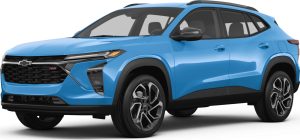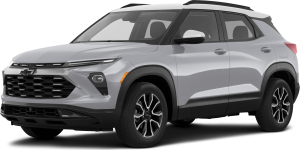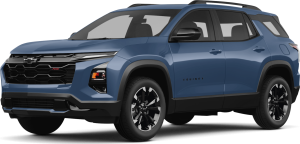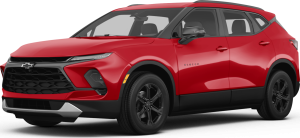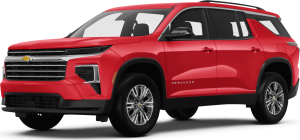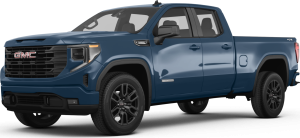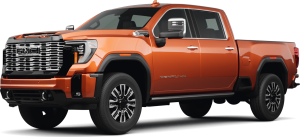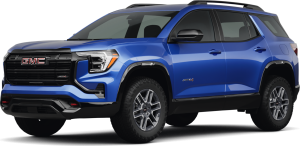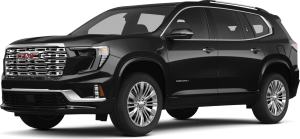





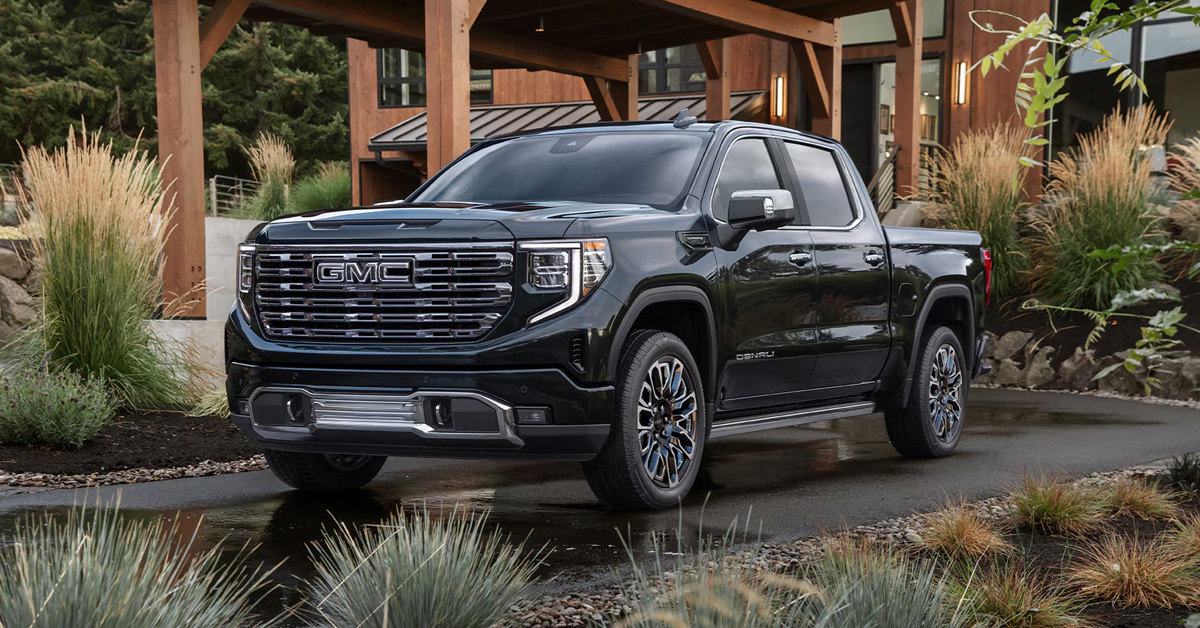
The true cost to own a GM car or truck in 2026 includes more than the price on the window sticker. It reflects the full five-year picture of depreciation, fuel, insurance, maintenance, repairs, and financing, giving buyers a clearer understanding of long-term value. By looking closely at these ownership factors, shoppers can confidently compare models such as the Sierra 1500, Silverado 1500, Chevy Trax, Chevy Traverse, Buick Envision, and GMC Terrain to determine which option fits their lifestyle and budget.
Amherstburg Chevrolet Buick GMC is committed to helping drivers make informed decisions with transparency and expert guidance. Our team is here to support your automotive needs, whether you are shopping for a new GM vehicle, booking service, or ordering genuine parts. Contact us today, our staff is ready to assist you every step of the way.
What Does “True Cost to Own” Really Include in 2026?
Understanding the true cost to own a vehicle in 2026 means looking beyond the purchase price. It is a full-picture calculation that shows what drivers can expect to spend over five years of ownership. When someone asks what is included in the true cost to own 2026, the answer is a combination of financial factors that work together to shape long-term value. This is especially important for buyers comparing models like the Sierra 1500, where ownership habits, driving distance, and regional costs can all influence the total investment. At its core, the true cost to own is built around several major categories. These give drivers a realistic sense of what it takes to budget for any vehicle over time.
Key Components of True Cost to Own
Most TCO evaluations factor in the following: Depreciation. The amount of value the vehicle loses over five years. Often the largest portion of TCO.
- Fuel. Daily driving habits, commute length, and engine size all shape fuel costs.
- Insurance. Rates vary by model, location, and driving history.
- Maintenance and Repairs. Everything from routine oil changes to unexpected repairs.
- Financing. Interest charges on an auto loan over the full term.
- Taxes and Fees. Licensing, registration, and other regional costs.
When these pieces are added together, shoppers get a full breakdown of what they will really spend across the years they own the vehicle. The difference between models can be significant. For instance, a compact SUV typically brings lower fuel and insurance costs, while a full-size truck like the Sierra 1500 may see higher fuel expenses but often holds its value better. This is why TCO matters for anyone comparing vehicle types for work, family travel, or daily commuting.
Why TCO Matters for Everyday Drivers
Life in southwestern Ontario involves varied driving conditions. Whether it is regular highway travel, towing on weekends, or navigating changing weather, ownership costs shift depending on how and where the vehicle is used. TCO helps bring clarity to those choices. A driver who knows they will log heavy mileage will look closely at fuel and depreciation. Someone planning to keep their truck for many years may prioritize maintenance and long-term reliability instead. By taking the time to understand these elements in advance, shoppers avoid surprises and make more confident decisions. It is a practical approach to choosing a vehicle that fits both lifestyle and budget.
How Does Depreciation Affect the 2026 Ownership Expenses of GM Cars and Trucks?
Depreciation is often the single largest factor in a vehicle's true cost to own breakdown, and understanding how it works can make a major difference when choosing a 2026 GM model. Every vehicle loses value over time, but the rate at which it does so varies widely between trucks, compact SUVs, and premium models. For many drivers comparing options, the way a vehicle holds its value can influence long-term expenses just as much as fuel or maintenance.
Why Depreciation Matters
Depreciation reflects how much a vehicle is expected to drop in value during the first five years of ownership. It is shaped by market demand, brand reputation, model popularity, and even regional driving conditions. When a GM vehicle retains its value, drivers who trade in or sell later enjoy a stronger return. When depreciation is higher, the cost of ownership climbs, even if day-to-day expenses remain manageable. To better understand this, it helps to look at how different GM models behave over time.
How GM Models Compare
Some vehicles lose value more slowly than others. Full-size trucks remain popular across Southwestern Ontario, and their consistent demand typically supports stronger resale values. For example:
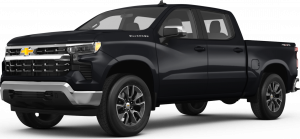
- Chevrolet Silverado 1500. Known for its durability and broad appeal, this truck generally holds value better than many SUVs. Business owners, commuters, and weekend haulers all contribute to its strong used market.
- Mid-size SUVs like the GMC Terrain tend to show moderate depreciation, influenced by mileage and equipment packages.
- Premium or larger SUVs often see faster value drops due to higher initial purchase prices and costlier features.
These differences play an important role in shaping total ownership expenses. A truck with a higher resale value may cost more up front, but the lower depreciation over five years can make it more economical than some lower-priced models.
What This Means for Drivers
Depreciation is not something most people see day to day, yet it has a major impact when it is time to trade in, refinance, or upgrade to a newer model. This is why many buyers focus on value retention when comparing options. Choosing a vehicle that aligns with driving habits and ownership plans helps keep long-term costs predictable and manageable.
What Fuel Costs Should You Expect When Owning a 2026 GM Vehicle?
Fuel is one of the most noticeable car ownership cost factors because it directly affects a driver’s daily routine and long-term budget. In 2026, fuel expenses vary widely across GM’s lineup, especially when comparing compact SUVs, mid-size crossovers, and full-size trucks. For shoppers trying to understand the real difference between models, fuel efficiency becomes an important part of the decision. Some drivers focus on power, others prioritize economy, and many aim for a balance between the two. GM’s 2026 lineup offers options in every direction, which means fuel costs can shift significantly depending on the model chosen and the type of driving done around town or on the highway.
How GM Vehicles Differ in Fuel Costs
Fuel consumption depends on factors such as engine size, towing needs, and commuting distance. A few general patterns are easy to spot.
- Compact SUVs like the Chevy Trax tend to offer the lowest fuel costs. Their lightweight and efficient engines make them ideal for drivers who mainly travel within town or on shorter commutes.
- Mid-size SUVs strike a middle ground. They use more fuel than compact models but often balance efficiency with space and capability.
- Full-size trucks and large SUVs consume more fuel due to their size and power. These vehicles are often chosen for towing, load carrying, or long-distance travel, which naturally raises fuel expenses.
Many drivers find that their fuel needs change with their lifestyle. Someone who once commuted daily may now work from home and place more value on versatility or cargo space instead of maximum fuel economy. Others may have growing families and prefer a vehicle that offers room without sacrificing too much at the pump.
How Driving Habits Influence Fuel Spending
Fuel costs are not just about what vehicle you buy. They also reflect how and where the vehicle is used. Consider the following influences:
- Highway vs city driving. Highway travel typically offers better fuel efficiency.
- Seasonal changes. Winter conditions in Southwestern Ontario can reduce fuel economy, especially during short trips.
- Towing and hauling. Extra weight can significantly increase consumption for trucks and SUVs.
Recognizing how these factors fit into your routine helps you estimate what you will spend over the course of ownership.
Making Fuel Costs Work for Your Budget
Fuel efficiency should match your daily reality. Drivers who mainly navigate city traffic may appreciate the savings from a compact model. Those who need strength for towing or weekend adventures may happily accept higher fuel usage for the capability they gain. The right choice is the one that supports your lifestyle without straining your budget.
How Much Do Insurance and Financing Add to Your Vehicle's True Cost to Own?
Insurance and financing are two of the most influential parts of 2026 ownership expenses, yet they are often overlooked during the buying process. While fuel and maintenance tend to get the most attention, the cost of carrying insurance and paying interest on a loan can significantly shape what a driver spends over five years. These expenses vary widely across GM’s lineup, and understanding how they work can help shoppers budget with accuracy and confidence.
Why Insurance Costs Vary
Insurance rates are not one size fits all. They are shaped by a blend of personal factors and vehicle characteristics. Drivers looking at a family-friendly model such as the Chevy Traverse may find insurance costs differ from compact or full-size options due to size, safety features, and repair expectations. Common influences include:
- Driving history. A clean record generally leads to lower premiums.
- Location. Areas with heavier traffic or higher claim rates may see increased costs.
- Vehicle design. Larger vehicles with more safety technology may offer lower risk ratings, while performance-focused models may carry higher premiums.
- Annual mileage. More time on the road can increase the likelihood of claims.
For many households, comparing insurance quotes early in the buying process provides clarity about how the vehicle will fit into their monthly budget.
How Financing Affects Long-Term Ownership Costs
Financing also plays a major role in total ownership cost. The interest paid over the life of a loan adds to the overall expense of the vehicle. This is especially noticeable when financing higher-priced SUVs or trucks. Financing costs depend on:
- Interest rate. Higher rates add more to long-term spending.
- Loan length. Longer terms often reduce monthly payments but increase total interest paid.
- Down payment. A larger initial payment reduces how much is borrowed, which lowers interest charges.
- Credit score. Strong credit often unlocks more competitive rates.
Drivers who understand these factors can adjust their financing plan to better align with their financial goals.
Bringing Insurance and Financing Into Your Budget
Both insurance and financing play essential roles in determining whether a vehicle remains affordable over the long term. When they are considered together with fuel, depreciation, and maintenance, buyers get a clear sense of their true cost to own. A little planning goes a long way, and many drivers find that small adjustments, such as choosing the right trim or adjusting loan terms, can make a meaningful difference.
What Are Typical Maintenance and Repair Costs for 2026 GM Vehicles?
Maintenance and repair expenses form an important part of long-term ownership, and they contribute significantly to the overall cost of driving a 2026 GM vehicle. While newer models benefit from improved engineering and longer-lasting components, every vehicle still requires routine attention to keep it running smoothly. Drivers who plan for these costs tend to enjoy a more predictable ownership experience, especially when comparing models across GM’s diverse lineup.
How Maintenance Costs Differ Between GM Models
Different vehicles come with different needs. A stylish crossover like the Buick Envision will not have the same maintenance profile as a full-size truck or compact SUV. This is why many drivers turn to tools such as a true cost to own calculator, which can estimate how these differences will play out over five years. Typical maintenance categories include:
- Oil changes and basic services. These are usually the most consistent and predictable expenses.
- Tire replacement. Larger vehicles may require more expensive tires, and driving habits can speed up wear.
- Brake service. Stop-and-go city driving can increase brake wear compared to steady highway travel.
- Fluids, filters, and minor components. These small items add up over the life of a vehicle.
- Unexpected repairs. While newer GM vehicles are known for reliability, occasional repairs for sensors, electronics, or mechanical parts can occur.
GM’s warranty coverage also plays a role. Modern protection plans help reduce out-of-pocket repair costs during the early years of ownership, giving drivers additional peace of mind.
How Driving Style Influences Repair Costs
Southwestern Ontario offers a mix of urban traffic, open highways, and winter weather. These conditions affect maintenance schedules and repair needs in different ways. Drivers may notice:
- Cold weather increases strain on batteries and fluids.
- Frequent short trips can shorten the life of certain components.
- Longer commutes spread out wear but increase mileage-dependent service needs.
Understanding these patterns helps drivers plan for realistic maintenance expectations rather than relying solely on averages.
Budgeting for Long-Term Vehicle Care
Setting aside a modest annual budget for maintenance helps avoid surprises. Many GM owners find that their costs remain manageable when regular service is performed on time. Staying proactive with routine care not only improves reliability but also helps retain resale value, which can make a meaningful difference when upgrading in the future.
How Do Business and Tax Incentives Influence the True Cost to Own?
Business owners often look at vehicle purchases differently because the long-term financial impact can extend far beyond the showroom price. When considering what is included in the true cost to own 2026, tax incentives and commercial benefits can significantly shift overall expenses, making certain GM vehicles more cost-effective for companies or self-employed drivers. These incentives can sometimes offset depreciation or fuel costs enough to change which model makes the most financial sense.
How Tax Incentives Can Reduce Ownership Costs
Several federal and provincial programs allow qualifying business owners to deduct a portion of their vehicle purchase or apply accelerated write-offs. These programs reward companies that invest in work-ready vehicles, especially trucks and SUVs with capabilities suited for business use. Common incentives include:
- Capital cost allowance deductions. These allow businesses to claim depreciation at a rate determined by the vehicle class.
- Eligibility for larger write-offs. Some vehicles that meet specific weight or capability criteria qualify for enhanced deductions.
- Operational deductions. Fuel, maintenance, and insurance sometimes count as deductible expenses when the vehicle is used for business purposes.
These tax advantages can substantially reduce the effective cost of ownership over several years. When calculated alongside traditional expenses such as fuel, maintenance, and insurance, they provide a more complete picture of long-term affordability.
Why Certain Vehicles Fit Business Needs Better
Different GM models appeal to various industries. A small business owner who makes frequent regional deliveries may rely on a capable SUV like the GMC Terrain because it balances cargo space, efficiency, and reliability. A construction or service-based business may lean toward larger trucks for towing or hauling needs. Each choice comes with unique ownership implications, and tax incentives can help level out the costs between them. Business drivers often consider:
- Vehicle size and weight. Heavier vehicles may qualify for different deduction categories.
- Intended use. Commercial mileage and equipment requirements influence the ideal model.
- Long-term planning. Some businesses rotate vehicles every few years, while others keep them for a decade or more.
Understanding how these factors align with tax rules helps ensure that business owners get the most value out of every dollar they spend.
Making Incentives Work for Your Business
When combined with depreciation, insurance, fuel, and routine maintenance, tax incentives offer a meaningful way to reduce the total cost of ownership. Many business owners find that once deductions are applied, a vehicle that initially seemed more expensive becomes the smarter long-term choice. The key is understanding how each financial component fits into the broader ownership picture.
How Can You Calculate Your Personal True Cost to Own a GM Vehicle?
Every driver has a different routine, budget, and set of priorities. That is why calculating your own true cost to own is one of the most practical steps you can take before choosing a new model. Instead of relying on broad estimates, you can look at your specific driving habits and expenses to build a realistic long-term picture. Someone who commutes daily on Highway 401 will have a very different ownership experience than someone who uses their vehicle for towing, farm work, or weekend road trips. A truck that handles heavy loads, such as a well-equipped Silverado 1500, may cost more in fuel but can deliver significant value through strength, durability, and strong resale appeal. The right choice depends entirely on how you plan to use it.
Key Factors That Shape Your Personal Ownership Costs
Every true cost to own calculation begins with the same core categories. These factors will help you understand how each model fits your lifestyle and budget:
- Depreciation, which reflects how much value the vehicle is expected to retain over time.
- Fuel, which depends on your driving environment, annual mileage, and engine choice.
- Insurance, which varies based on where you live and how you use your vehicle.
- Maintenance and repairs, which can be influenced by driving style and climate.
- Financing, including interest charges if you take out a loan.
- Fees and taxes, which are part of any new vehicle purchase.
By evaluating these items with your own numbers, you can build a far more accurate picture than any average estimate can provide.
Bringing Your Lifestyle Into the Calculation
Even two drivers in the same town can end up with very different long-term costs. For example:
- Someone who tows a camper a few times each summer may focus on fuel use and capability.
- A family that primarily uses their vehicle for school runs and weekend errands might prioritize maintenance and insurance.
- A tradesperson who puts on higher than average mileage each year may find that the long-term durability of a truck offsets the added fuel expense.
When your calculation reflects the way you actually drive, you can compare models with far more clarity and confidence.
Get Support While Building Your Cost Estimate
If you want help gathering car ownership cost factors, or if you would like guidance choosing the best configuration for long-term value, the team at Amherstburg Chevrolet Buick GMC can walk you through each detail. Visit or reach out today and explore your options with the support of people who understand how real drivers use their vehicles every day.
Frequently Asked Questions About the True Cost to Own a Vehicle
Drivers often look for clear, straightforward answers when trying to understand long-term ownership expenses. Knowing what goes into the true cost to own can help you make a confident and informed buying decision.
What Is Included in the “True Cost to Own” [2026]
The true cost to own in 2026 typically includes depreciation, financing, insurance, fuel, maintenance, repairs, taxes, and fees.
What does “true cost to own” mean for a vehicle in 2026?
True cost to own refers to the full amount a driver can expect to spend over several years of ownership, not just the purchase price.
Which expenses are typically included in the true cost to own?
Common expenses include depreciation, fuel, insurance, maintenance, repairs, financing charges, taxes, and registration fees.
How do depreciation and insurance factor into ownership costs?
Depreciation represents how much value the vehicle loses over time, and it is usually the highest single cost. Insurance adds ongoing yearly expenses that vary based on driving history, vehicle type, and location.
Should maintenance, repairs, and fuel be part of the cost calculation?
Yes, because maintenance, repairs, and fuel are recurring costs that directly affect how much you spend to keep the vehicle running over its lifetime.
How can understanding the true cost to own help buyers choose a vehicle?
It allows buyers to compare models based on long-term expenses, helping them choose a vehicle that aligns with their budget, driving habits, and ownership expectations.
Understanding these details can simplify the buying process and help you select a model that delivers the best long-term value for your lifestyle.
Explore GM Trucks and Get Personalized Guidance
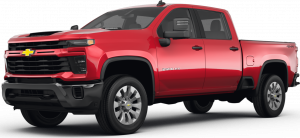
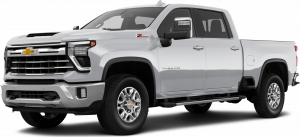
Understanding the true cost to own a GM vehicle helps you plan for long-term expenses, but seeing the vehicles in person and experiencing their features is equally important. Drivers from LaSalle, Windsor, and Essex can explore a wide selection of trucks, including the Sierra 1500, Silverado 1500, Sierra 2500, Silverado 2500, Sierra 3500, and Silverado 3500, to find the right fit for work, family, or weekend adventures.
Winter weather and road conditions in southwestern Ontario can add extra considerations to vehicle ownership. From GM Winter SUV Guide, to recognizing battery issues before they leave you stranded or spotting and navigating black ice safely, understanding these practical details can make your ownership experience safer and more enjoyable. If you want guidance on the Sierra or Silverado lineup, or need help understanding which GM model fits your lifestyle and budget, the team at Amherstburg Chevrolet Buick GMC is ready to assist. Stop by our dealership or contact us online to schedule a visit and experience these vehicles firsthand.
Get Directions to Amherstburg Chevrolet Buick GMC
Disclaimer: All information is provided for general informational and entertainment purposes only. While we strive for accuracy, we cannot guarantee that all content is complete, current, or error-free. Any reliance you place on such information is strictly at your own risk. This article may include opinions and is not endorsed by, or officially affiliated with, any vehicle manufacturer or brand. Always consult official sources – such as the vehicle’s owner’s manual, authorized dealerships, or certified professionals – for the most up-to-date and personalized information.