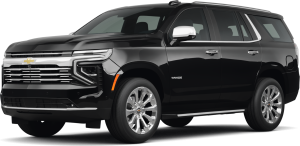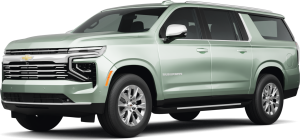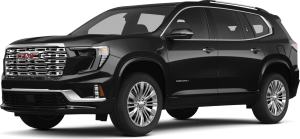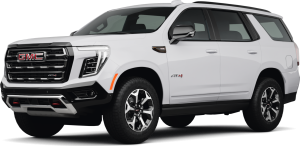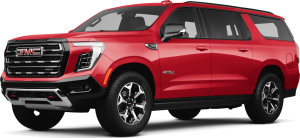





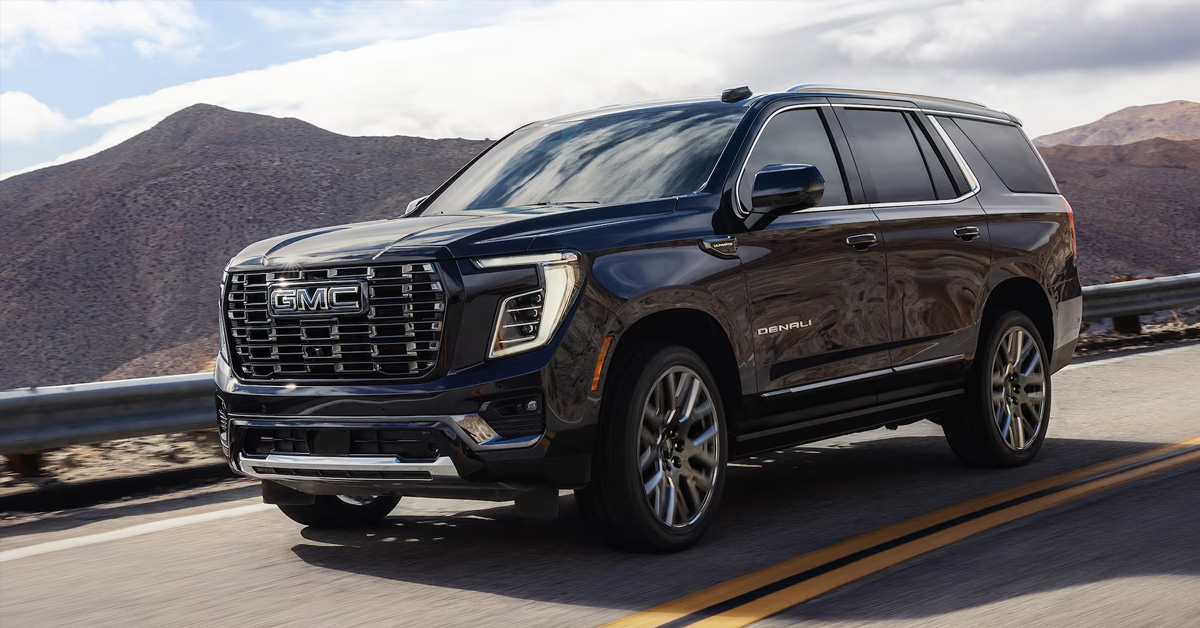
The 2026 GMC Yukon and Yukon XL offer two distinct full-size SUV experiences, one focused on maneuverability and the other on maximum space. Shoppers comparing Yukon vs Yukon XL will find that the standard Yukon suits drivers who prioritize easier parking and city friendliness. At the same time, the Yukon XL offers superior third-row comfort and significantly more cargo capacity.
hoosing the right fit comes down to how much room your family, lifestyle, and travel habits truly require. Amherstburg Chevrolet Buick GMC proudly supports drivers throughout Amherstburg, LaSalle, Windsor, and Essex with a full range of automotive services and extensive inventory of cars and trucks. Our team is ready to help you explore the Yukon lineup, book maintenance, or find the parts you need. Contact us or visit today and let us assist you with every step of your ownership experience.
What Should Drivers Know First About the 2026 GMC Yukon vs Yukon XL?
Choosing between the 2026 GMC Yukon and Yukon XL starts with understanding how these two full-size SUVs fit into real daily life. Both models share the same bold styling, advanced technology, and powerful capability, yet they offer noticeably different experiences based on size and interior space. Drivers in LaSalle, Windsor, and Essex often begin their search by asking a simple question: how much room do you realistically need? The Yukon is the more maneuverable option, a great fit for tighter parking areas or frequent city driving.
The Yukon XL stretches out with additional length, which transforms into significantly more third-row comfort and a large increase in usable cargo space. That extra room matters for families juggling hockey bags, camping gear, weekly groceries, and road trip luggage.
Key Differences to Keep in Mind Right From the Start
These quick highlights help set expectations:
- The Yukon is ideal for drivers who want easier handling and parking without sacrificing capability.
- The Yukon XL is designed for families who need more space behind the third row or who regularly carry multiple passengers.
- Both offer identical engine options, available luxury features, and impressive towing strength.
Real Life Scenarios to Picture
Imagine navigating Windsor’s busy shopping areas on a Saturday afternoon. The Yukon makes slipping into a tighter parking spot feel far easier. Now picture a long family trip with every seat filled and luggage stacked for the weekend. The Yukon XL handles that load without hesitation, providing room to spare behind the third row. No matter which direction you lean, both SUVs bring the refinement and strength that GMC is known for.
If you are starting your research and want guidance on which model fits your lifestyle, the team at Amherstburg Chevrolet Buick GMC is ready to help. Contact us today to explore both versions in person and get personalized recommendations that make choosing the right Yukon simple and stress free.
How Do the 2026 Yukon and Yukon XL Differ in Overall Size?
Size is the most defining factor in any Yukon vs Yukon XL comparison. Both SUVs share a strong presence on the road, but the difference in overall length shapes how each model behaves in everyday driving. The standard Yukon measures 210.1 inches long, which gives it a confident stance without feeling overwhelming. The Yukon XL stretches to 225.2 inches, and that added length directly affects maneuverability, interior layout, and overall practicality.
Understanding the Size Difference
The extra length of the Yukon XL is not subtle. It provides a noticeably larger footprint that becomes clear the moment you pull into a parking space or round a corner in a busy area. Drivers who frequently move through neighborhoods in Windsor or navigate crowded plazas in LaSalle often appreciate how the standard Yukon feels easier to manage. Here is a quick breakdown of how the two models compare:
- Length: Yukon at 210.1 inches, Yukon XL at 225.2 inches.
- Parking and turning: Yukon is easier to position in tight spots and narrow driveways.
- Interior impact: The added length of the Yukon XL contributes to extended legroom and greater cargo depth.
A Size Difference You Notice on the Road
Picture yourself backing out of a driveway in Essex early in the morning. The standard Yukon gives you a slightly shorter body to work with, which can make maneuvering past parked cars feel a bit more effortless. On the highway, the Yukon XL’s additional length provides a stable, planted ride that many families enjoy, especially on long trips. Both models still feel like premium full-size SUVs, but they do not feel the same behind the wheel. Understanding that helps you decide how each one fits your daily routine.
Why Does the Extra Length of the Yukon XL Matter for Families?
For families trying to choose the right full-size SUV, size is more than a number on a spec sheet. The extra length of the Yukon XL translates into meaningful space that parents, teens, and frequent passengers will appreciate every day. While the standard Yukon already offers generous room, the extended body of the XL adds comfort and flexibility that can make longer drives and busy weekly routines feel far less cramped.
More Room Where It Matters Most
The biggest advantage of the XL shows up in the third row. Adults and growing teenagers often feel the difference immediately. With added legroom and extra stretch-out space, the third row becomes more than a spot for short trips. It turns into seating that feels comfortable during longer drives to Windsor, Essex, or beyond. A few key benefits include:
- Additional third row legroom that gives passengers more comfort on daily and long-distance drives.
- More space for bulky items like sports bags, folding strollers, or school projects.
- Better separation between passengers, something parents often appreciate during longer outings.
Space Makes a Difference in Real Life
Picture a Saturday morning when you are loading hockey equipment for your kids, groceries for the week, and a couple of friends tagging along for practice. The standard Yukon handles this well, but the Yukon XL provides noticeably more breathing room behind the third row. That extra depth means bags and gear fit without encroaching on passenger space. Or imagine a family road trip where everyone brings their own backpacks, blankets, and snacks. The XL keeps the cabin organized and clutter-free, which helps keep passengers comfortable and relaxed over several hours on the road.
How Do Cargo Capacities Compare for Everyday and Weekend Use?
Cargo space is often the deciding factor for anyone considering a GMC 3-row SUV choice in 2026, and the difference between the Yukon and its larger counterpart becomes clear the moment you start loading up for a busy day. Both models offer generous room, but the extended design of the XL provides meaningful advantages for drivers who routinely carry more than passengers and groceries.
Everyday Space That Works With Your Routine
For day-to-day life, the standard Yukon already delivers excellent versatility. It handles school drop-offs, grocery runs, and light gear with ease. Its cargo area behind the third row is well-suited for families who do not often fill all seats and still need a bit of extra room. The Yukon XL, on the other hand, gives you additional depth that simplifies the everyday juggle. Larger strollers, big shopping hauls, and sports equipment fit comfortably without the need to fold seats.
Here is a quick comparison:
| Cargo Capacity | 2026 GMC Yukon | 2026 GMC Yukon XL |
| Cargo space with all rear seats folded | 122.80 cu.ft. | 144.50 cu.ft. |
| Cargo space with only 3rd row seats folded | 72.50 cu.ft. | 93.60 cu.ft. |
| Minimum cargo space | 25.50 cu.ft. | 41.50 cu.ft. |
- Yukon: Ideal for families with moderate cargo needs who value a balance of space and maneuverability.
- Yukon XL: The better choice for those who frequently carry large items while still using all three rows.
Weekend Adventures Feel Easier With More Room
Weekends tend to reveal how much cargo space you really need. Think about packing for a family trip to a cottage, a game day in Windsor, or an outdoor adventure along the county trails. The standard Yukon manages well, but the XL offers the kind of space that keeps everyone and everything organized. A few examples of what the XL handles with ease:
- Multiple suitcases for long trips
- Camping gear, including coolers and folding chairs
- Team sports bags and equipment
- Pet crates or large outdoor accessories
When the whole family travels together, that extra cargo room reduces stress and keeps the interior comfortable. You are not forced to choose between passengers and gear.
Are There Performance Differences Between the Yukon and Yukon XL?
Performance is often a key question for families comparing the Yukon to its larger counterpart, especially when weighing Yukon family vs XL cargo needs. Although the two SUVs differ noticeably in size and interior space, their driving performance remains remarkably similar. Both share the same engine options, suspension design, and overall power delivery, which means you get the same confident feel on the road regardless of which model you choose.
Powertrains That Deliver Strong, Familiar Capability
The Yukon and the Yukon XL offer identical engine choices, each geared toward strong acceleration, smooth cruising, and dependable towing strength. Whether you choose the standard length or the extended model, the performance experience stays consistent. Available engine options include:
- A responsive V8 that offers smooth power for city and highway driving.
- A larger V8 designed for drivers who want maximum muscle for towing and hauling.
- A refined diesel engine option that provides impressive torque and excellent long-distance efficiency.
Because the powertrains are the same, most drivers will not notice a difference in acceleration or overall feel during everyday use.
Towing and Handling in the Real World
While both models tow with confidence, the standard Yukon may offer a slightly higher rating due to its lighter body. This is a small difference, yet some drivers who tow boats, trailers, or campers like knowing they are getting every bit of capacity possible. Handling tells a similar story. The Yukon feels a little more agile and easier to maneuver in tight areas, something you might appreciate when navigating busy driveways in LaSalle or active parking lots across Windsor. The XL trades a bit of that agility for stability and smoothness on longer trips. Families who regularly travel with full seating and heavy cargo often enjoy the XL's planted and confident road presence.
Designed to Perform in Every Lifestyle Scenario
The best way to think about performance is to picture how your family uses an SUV. If you tend to travel lighter and value quick maneuvering, the standard Yukon suits your rhythm. If you regularly load up for weekends and want a calm, stable ride with all seats filled, the XL complements that lifestyle perfectly.
Where Do These SUVs Differ Most in Driving Experience and Maneuverability?
When looking at the 2026 GMC Yukon vs Yukon XL, one of the most noticeable differences comes from how each one feels on the road. Although they share the same engines and overall structure, the extended length of the XL influences turning, parking, and general maneuverability. These differences matter most during daily driving around LaSalle, Windsor, and Essex, where tight parking lots, narrow streets, and busy intersections are part of everyday life.
Maneuverability in City and Suburban Settings
The standard Yukon offers a more agile driving experience, which is immediately apparent in low-speed situations. Its shorter length gives it an easier turning radius, making it more comfortable to handle in areas that require frequent stops or tight angles. Common scenarios where the Yukon feels more manageable include:
- Backing out of a narrow driveway during morning traffic.
- Navigating crowded parking areas at local shopping centers.
- Making quick turns through busy side streets or school zones.
Drivers who spend most of their time in town often appreciate how naturally the Yukon responds in these environments.
Stability and Confidence on the Open Road
The Yukon XL brings a different type of strength. Its added length gives it a stable, grounded feel on longer drives, especially with a full load of passengers and luggage. Families who prioritize long-distance comfort will notice the difference quickly. The XL’s design shines in situations such as:
- Highway driving between Windsor and Essex, where smoothness matters.
- Long road trips where consistent ride quality keeps passengers relaxed.
- Travel with every seat occupied and the cargo area fully loaded.
The extended wheelbase reduces body movement over bumps and creates a more composed ride at higher speeds.
Which Driving Style Fits Your Routine?
Choosing between these two comes down to how and where you drive most. If your week consists of errands, neighbourhood travel, and many quick stops, the Yukon offers the nimble feel you will appreciate. If your schedule includes long drives, full family outings, and frequent cargo-heavy trips, the Yukon XL brings the stability and comfort that make those journeys more enjoyable.
Which 2026 GMC Yukon Model Aligns With Your Needs?
Deciding between the standard Yukon and the Yukon XL comes down to matching each model’s strengths with your lifestyle. For families balancing passengers, gear, and daily driving, understanding how Yukon family vs XL cargo needs fit into your routines is key. Both SUVs offer premium features, advanced safety, and capable performance, but each one serves slightly different priorities.
Choosing the Right Yukon for Your Lifestyle
Here’s a simple way to evaluate which model fits your needs.
Choose the standard Yukon if:
- You often drive in city streets, crowded shopping centers, or tighter parking lots.
- Your family rarely uses all three rows at once.
- You want slightly higher towing capacity for boats or trailers.
Choose the Yukon XL if:
- Your family frequently travels with every seat filled.
- You regularly carry large loads, sports equipment, or luggage behind the third row.
- You prioritize long-distance comfort and stability on highways and road trips.
Visualize Your Daily and Weekend Routines
Picture a typical weekday with carpool, errands, and grocery runs, or a weekend trip to Essex or a day out in Windsor. The standard Yukon makes everyday driving easier and keeps parking simple. The XL transforms full passenger loads and cargo-heavy weekends into a comfortable, stress-free experience.
Frequently Asked Questions About the 2026 GMC Yukon and Yukon XL
When deciding between the 2026 GMC Yukon and Yukon XL, it helps to get clear, direct answers to common questions about space, performance, and practicality. Understanding these key points can make it easier to choose the model that fits your family and lifestyle.
GMC Yukon vs Yukon XL: Which Size Makes Sense for You?
The standard Yukon is best for drivers who prioritize maneuverability, easier parking, and occasional full-row use, while the Yukon XL is ideal for families needing maximum passenger comfort and cargo space on longer trips.
What are the main differences between the 2026 GMC Yukon and Yukon XL?
The Yukon XL is about 15 inches longer than the standard Yukon, providing more third-row legroom and greater cargo capacity behind the seats. Both share the same engines, towing capability, and premium features.
How do passenger space and cargo capacity differ between Yukon and Yukon XL?
The XL offers 36.7 inches of third-row legroom (versus 34.9 inches in the standard Yukon) and 41.5 cubic feet of cargo behind the third row (versus 25.5 cubic feet). Maximum cargo capacity is 144.5 cubic feet for the XL compared to 122.8 cubic feet for the standard Yukon.
Which SUV is better for family trips versus towing and hauling?
The Yukon XL is better for family trips with full passenger loads and heavy luggage. The standard Yukon may be slightly better for towing large trailers or boats due to its lighter weight, though both handle up to 8,400 lbs.
Does the XL version affect fuel economy and driving dynamics?
The XL’s extra length slightly reduces maneuverability in tight spaces and may have a small impact on fuel economy due to the added weight, but overall performance, acceleration, and towing capability remain very similar to the standard Yukon.
Which size is more practical for everyday use versus long road trips?
The standard Yukon is more practical for everyday driving, city streets, and tighter parking situations. The Yukon XL is more practical for long road trips or frequent full-passenger use, providing extra comfort and cargo room.
Explore the Yukon and Stay Prepared for Every Drive
Choosing between the Yukon and Yukon XL comes down to your lifestyle, but keeping your vehicle ready for all conditions is just as important. From handling winter roads to managing everyday commutes, understanding how your SUV performs in cold weather or slippery conditions can make every drive safer and more comfortable. You can also benefit from practical advice from our previous guides, like selecting the best GM SUVs for winter to handle snow and ice, recognizing battery trouble in winter before it leaves you stranded, or spotting black ice and driving safely in tricky conditions.
At Amherstburg Chevrolet Buick GMC, we are proud to serve drivers from LaSalle, Windsor, and Essex with a wide selection of GMC SUVs, including the Yukon. Whether you’re interested in a Yukon for family trips, towing, or weekend adventures, our team is ready to guide you through every option. Contact us or visit us today to see how the Yukon fits your lifestyle and explore helpful resources, such as our tips for managing battery trouble in winter or how to stay safe on icy roads, to make the most of your SUV all year long.
Get Directions to Amherstburg Chevrolet Buick GMC
Disclaimer: All information is provided for general informational and entertainment purposes only. While we strive for accuracy, we cannot guarantee that all content is complete, current, or error-free. Any reliance you place on such information is strictly at your own risk. This article may include opinions and is not endorsed by, or officially affiliated with, any vehicle manufacturer or brand. Always consult official sources – such as the vehicle’s owner’s manual, authorized dealerships, or certified professionals – for the most up-to-date and personalized information.